
LABORATORY PSYCHOLOGY
– BASIC
Futher information is available on the website specifically for Universitas Gunadarma’s basic laboratory of psychology
The Basic Psychology Laboratory is a unit that provides practicum services to support learning that is integrated with courses in the bachelor’s level curriculum. The Basic Psychology Laboratory at Gunadarma University, led by Dr. Anugriaty Indah Asmarany, S.Psi., M.Si. is one of the leading Psychology Laboratories in Indonesia, especially in terms of technology integration with the study of human behavior.
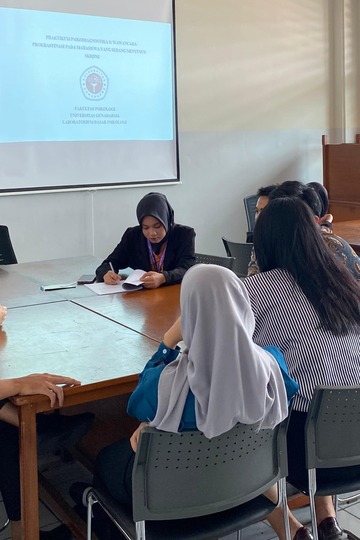
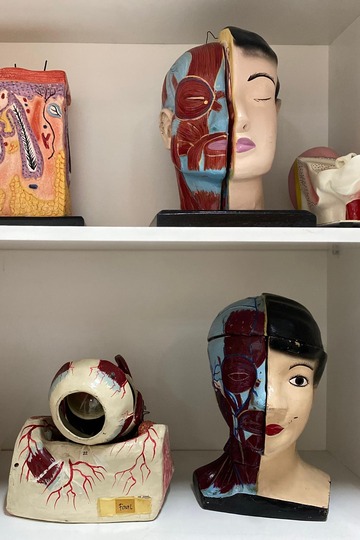
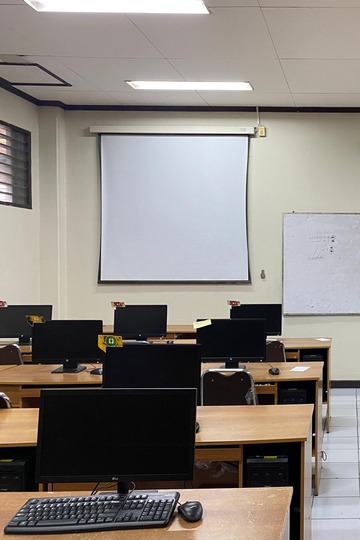
Universitas Gunadarma’s Psychology Laboratory is a pioneering space that highlights the importance of integrating technology into psychology, offering students a unique opportunity to explore the intersection between technology and human behavior – an area that many psychology programs in the country have yet to fully embrace. The Psychology Laboratory at Gunadarma University is not only an important teaching tool, but also a center for cutting-edge exploration in the field of psychology, setting a benchmark for other institutions in Indonesia.
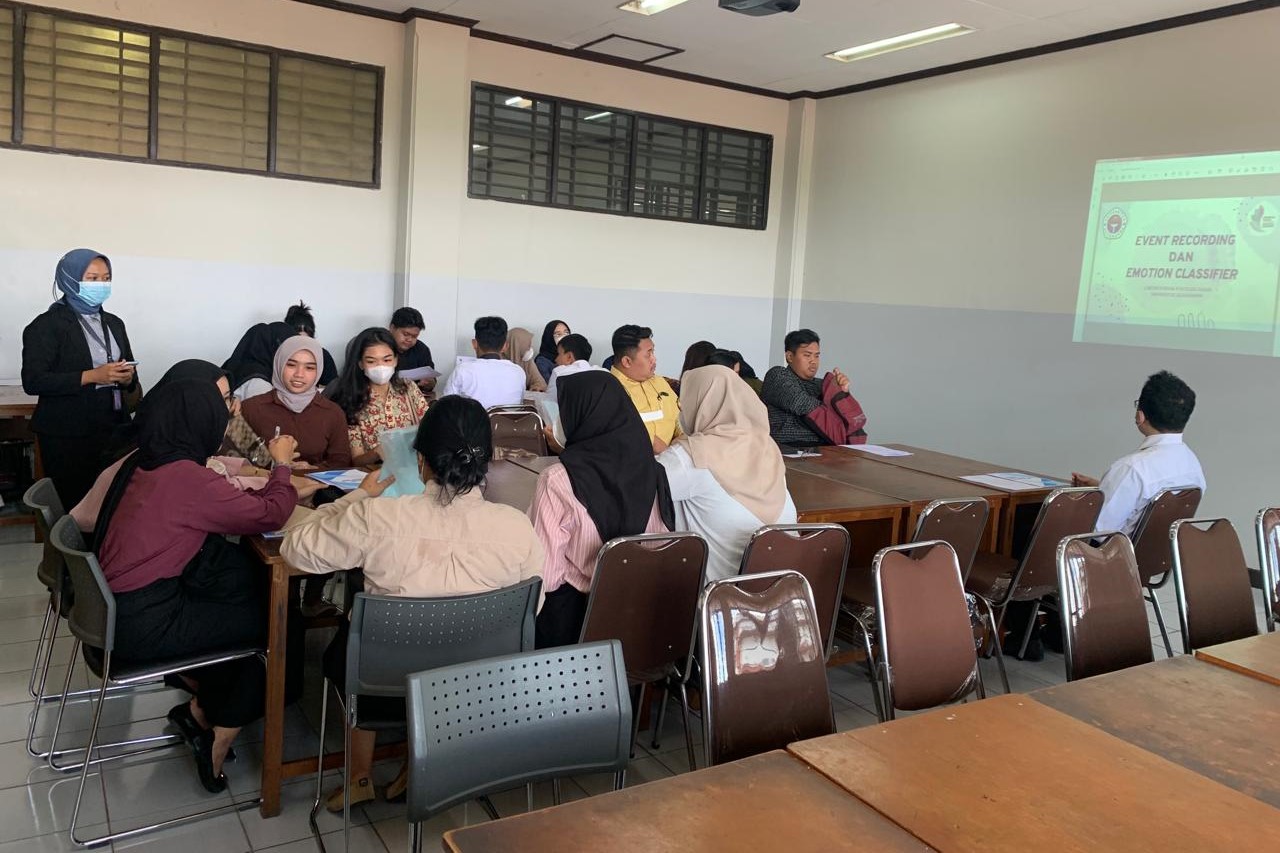
Emotion Classifier
Emotion Classifier is an emotion classifier application developed by the Basic Psychology Laboratory that is then used to determine the five basic emotional expressions that appear in humans, namely: fear, anger, disgust, sadness, and happiness.
Integrated Subjects
Subjects that are integrated in the practicum of basic laboratory of psychology are Psychodiagnostic II – Observation, Psychodiagnostic III – Interview, and Physiological Psychology

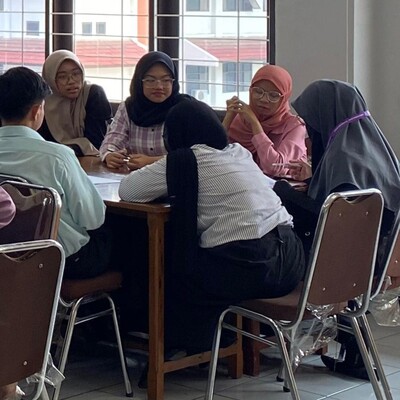
PSYCHODIAGNOSTIC II – OBSERVATION
- Comprehension of the observation concept through behavioral observation
- Studying narrative recording techniques, time recording techniques, interval recording techniques, event recording techniques using emotion classification applications and rating recording techniques
- Principles of mandatory observers
- Presentation of observation results
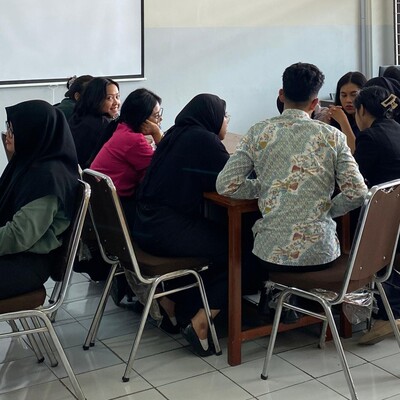
PSYCHODIAGNOSTIC III – INTERVIEW
- Studying the techniques of attending behavior, questioning techniques, encouraging techniques, paraphrasing techniques, and feeling reflection techniques
- Skills to write and draw conclusions based on interview results

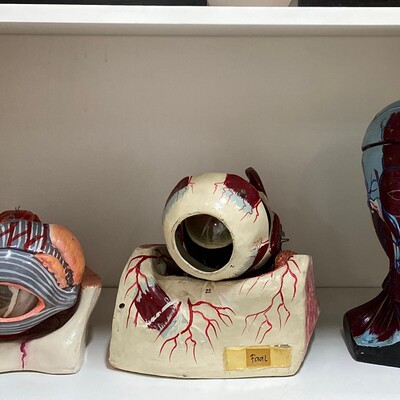
PHYSIOLOGICAL PSYCHOLOGY
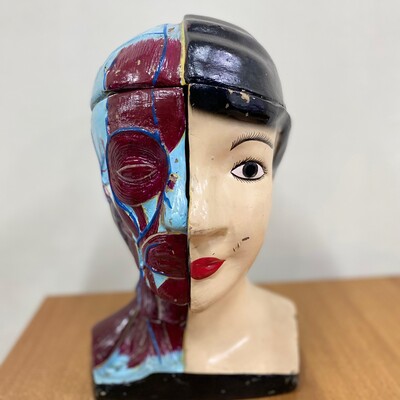
Studying the five human senses using 3D applications, making it easier for students to learn.
- Sense of vision experiments such as, pupil reaction, color blindness, blind spots and retinal delay
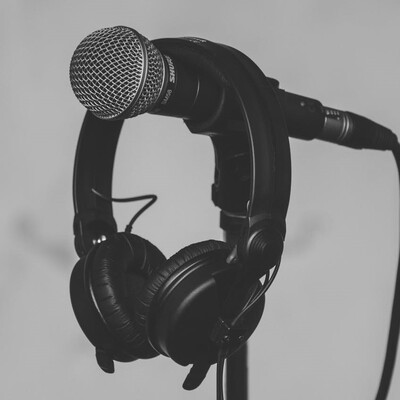
- Auditory sensory experiments include, air transmission in the ear, hearing acuity, vestibular system and nystagmus
- Sense of smell experiments include distinguishing between different types of fragrances
- Taste experiments such as making a taste map, and
- Sense of touch experiments to try to determine the location of each tactile receptor
